
Senior Cat Care Tips: Ageing Gracefully
Caring for pets as they age is one of the most rewarding experiences for any pet owner. I grew up with my furry companion, Coco, who stayed by my side from childhood until I was 21. Senior pets bring us years of joy, and it’s our responsibility to make their golden years as comfortable as possible. Here are some helpful tips to ensure your aging cats are happy and healthy!

Nutrition for Senior Cats
As cats age, their dietary needs change. Older cats require more protein to maintain muscle mass and fewer calories to prevent weight gain. Their digestion slows down too, so it's essential to offer easily digestible foods rich in omega-3 fatty acids for joint health.
Tips:
Choose senior cat food: Consult your vet to find a diet specifically designed for older cats. Look for options that include joint-supporting ingredients.
Weight management: Keep an eye on your cat’s weight. Extra pounds can strain their joints. Consider using slow feeders or puzzle feeders to keep meals interesting and regulate portion sizes, like our Grilled Fish Toy Interactive Slow Feeder.
Interactive toys: Keep your senior cat mentally and physically engaged with gentle play that promotes activity and keeps them sharp.
Cognitive Health and Mental Stimulation
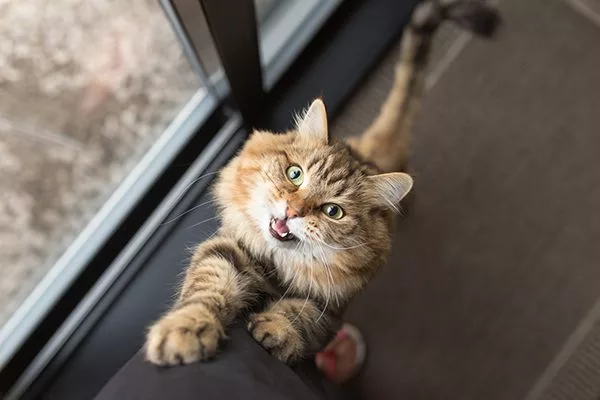
Just like humans, senior cats can experience cognitive decline, similar to dementia. That's why reading is important. They may become disoriented, change their sleep patterns, or lose interest in their favorite activities. Mental stimulation can help slow down this decline and keep your cat’s brain active.
Tips:
Interactive toys: Gentle puzzle toys or food-dispensing toys can provide the mental engagement they need without overwhelming them.
Stick to a routine: Cats love routine. Keeping feeding times, playtime, and rest consistent helps reduce confusion and keeps them comfortable.
Regular Vet Check-Ups and Health Monitoring
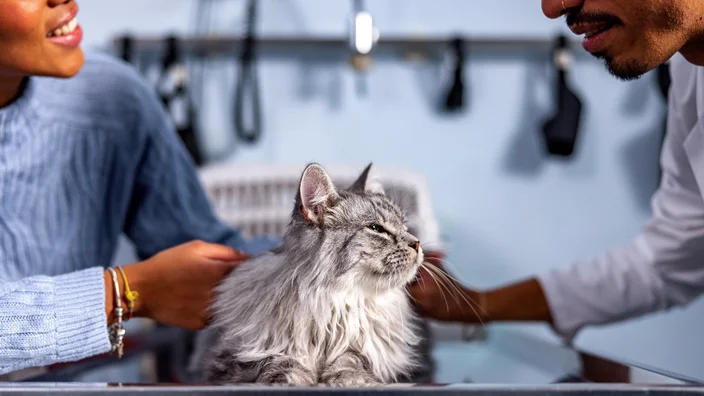
Senior cats need more frequent vet visits—ideally every six months. They are more prone to developing conditions like arthritis, kidney disease, and dental problems. Regular check-ups help catch these issues early and ensure your cat stays healthy longer.
Tips:
Monitor for behavior changes: Keep an eye out for signs of pain or discomfort. Changes like reduced appetite, excessive vocalization, or hiding could indicate something’s wrong.
Dental care: Dental disease is common in older cats. Regular brushing or dental treats can help maintain oral health and prevent gum issues.

Aging Gracefully Together
Your senior cat still has plenty of love, energy, and playfulness to offer! By making a few adjustments—like providing low-level cat trees, soft beds, and engaging toys—you can help them age gracefully and enjoy their golden years in comfort.
Whether it’s offering cozy resting spots or gentle interactive play, these small changes can keep your bond strong as your cat continues to thrive into their senior years.

$50
Product Title
Product Details goes here with the simple product description and more information can be seen by clicking the see more button. Product Details goes here with the simple product description and more information can be seen by clicking the see more button

$50
Product Title
Product Details goes here with the simple product description and more information can be seen by clicking the see more button. Product Details goes here with the simple product description and more information can be seen by clicking the see more button.
$50
Product Title
Product Details goes here with the simple product description and more information can be seen by clicking the see more button. Product Details goes here with the simple product description and more information can be seen by clicking the see more button.


Comments